Your basket is currently empty!


Industry compliant temporary protection

ClosedLoop remanufacturing in the UK

Supporting your sustainability targets

Over 30 years of construction expertise
| Feature | ImpactBoardFR | Plywood |
| Material type | Engineered fluted polypropylene | Natural timber sheet |
| Fire rating | Flame-retardant certified | Typically not fire-rated |
| Weight | Lightweight | Heavy |
| Handling | Easy to cut, carry and install | Requires more labour |
| Durability | High impact resistance | Strong but can splinter |
| Water resistance | Fully waterproof | Absorbs moisture, can warp |
| Reusability | Designed for multiple uses | Limited reuse depending on condition |
| Surface protection | Non-abrasive | Can mark finished surfaces |
| Sustainability | Recyclable + ClosedLoop compatible | Often single-use, harder to recycle |
| Consistency | Uniform performance | Variable quality |
Key differences explained
Fire safety
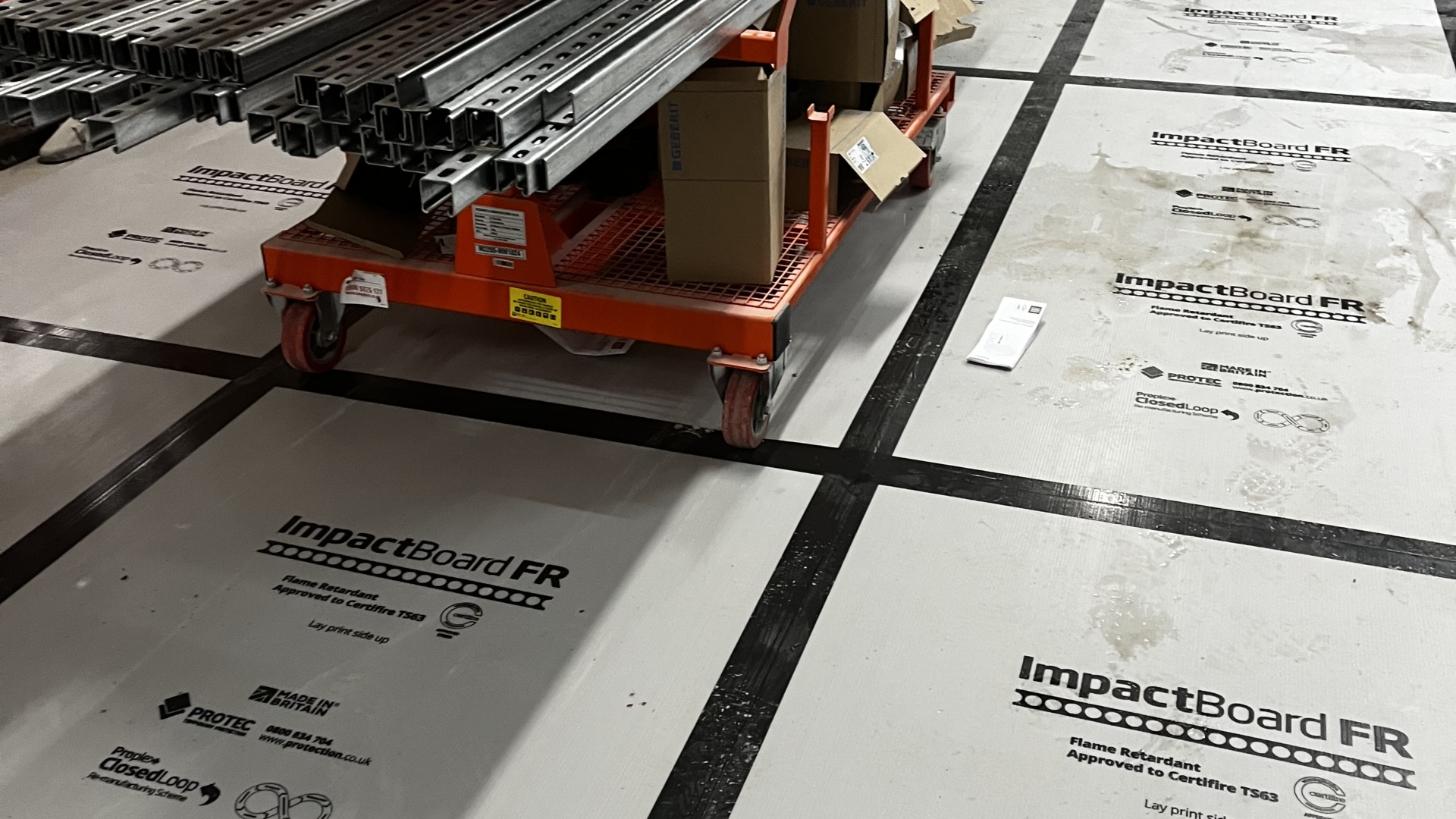
ImpactBoardFR is manufactured to meet flame retardant standards, making it suitable for projects with strict fire compliance requirements (JCoP). Plywood, unless specially treated, does not offer the same level of fire performance.
Weight and installation
ImpactBoardFR is significantly lighter, which makes handling faster and safer on site. Plywood is heavy, often requiring more labour and time to install.
Moisture performance
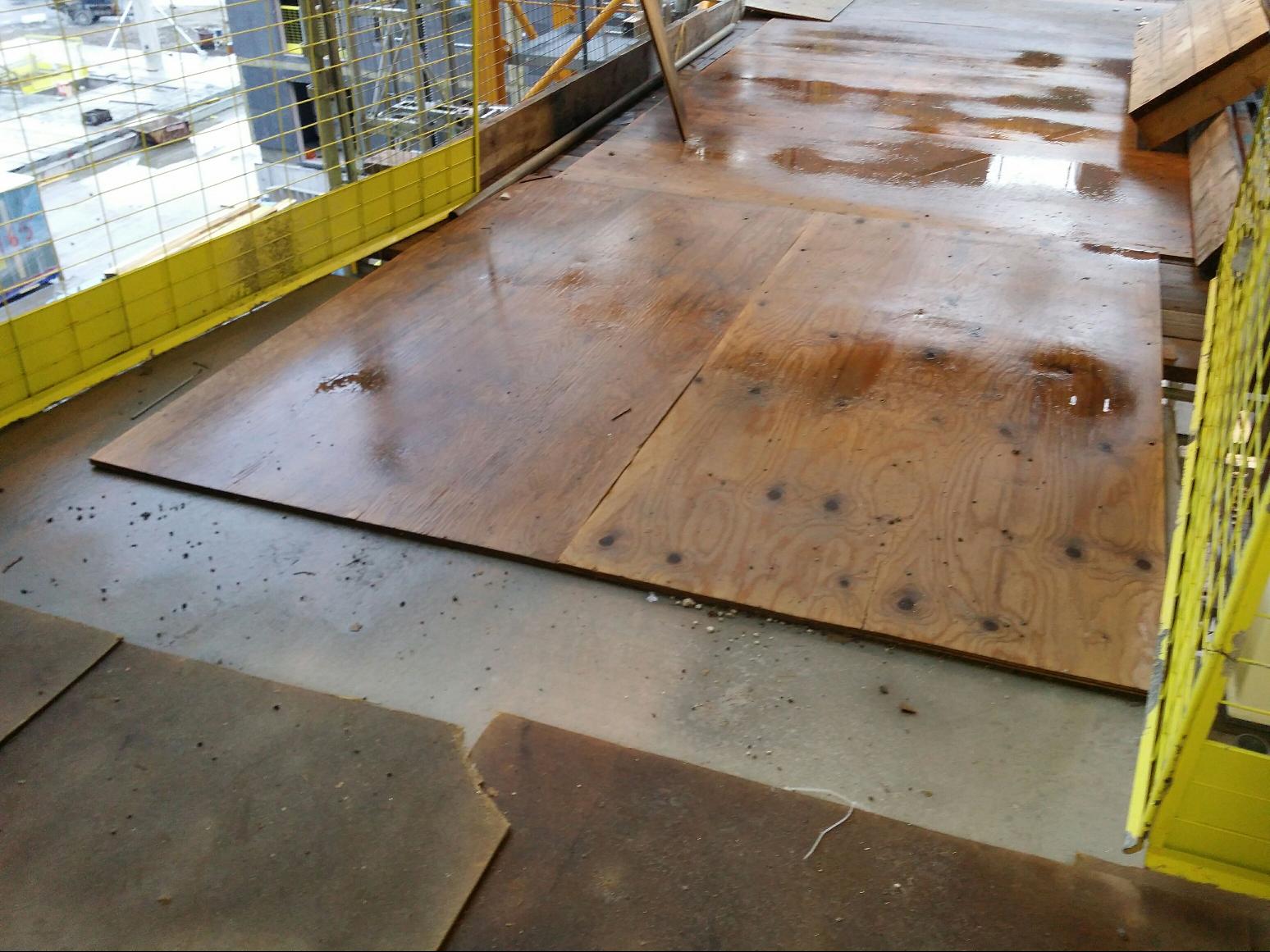
ImpactBoardFR is fully waterproof and maintains its integrity in wet conditions. Plywood absorbs water, which can lead to swelling, warping, and reduced effectiveness.
Pros and cons of ImpactBoardFR
| Pros | Cons |
| Flame retardant certified | Higher upfront cost |
| Lightweight and easy to handle | May be over specified for low risk areas |
| Waterproof | |
| Reusable | |
| Recyclable | |
| Consistent quality |
Pros and cons of Plywood
| Pros | Cons |
| Strong and rigid | Heavy and labour intensive |
| Widely available | Not fire rated (standard grades) |
| Familiar on site | Absorbs moisture |
| Lower initial cost | Limited reuse |
| Can damage surfaces |
Share